
Winter changes how construction works in Massachusetts. Snow, frozen ground, shorter days, and shifting temperatures all affect how a job site operates, which is why many homeowners assume building has to stop once cold weather arrives.
In reality, winter construction is less about temperature and more about preparation. The way materials are handled, how quickly a structure is enclosed, and how moisture is managed throughout the build have a much bigger impact on progress and quality than the season itself.
Winter construction in Massachusetts works best when the right conditions are in place. Site access, design readiness, and the type of work being done all influence how a project should be scheduled and which phases make sense to complete during colder months. Builders with experience working through Massachusetts winters plan for enclosure, material protection, and moisture control long before cold weather arrives. With the right planning, experienced teams can manage moisture, concrete curing, and weather-related delays in a way that keeps projects moving without compromising quality.
Is Winter Construction in Massachusetts Realistic?
Yes. Most residential construction work in Massachusetts can continue through winter when a site is prepared properly and the structure can be enclosed early in the process. Temperature alone is rarely the limiting factor. Instead, the feasibility of winter construction depends on how well the project is planned, how conditions are monitored on site, and how work is sequenced as the structure takes shape.
Winter construction does require a more deliberate approach. Progress tends to happen in defined phases rather than uninterrupted stretches, and timelines account for weather-related pauses. When those expectations are built into the plan from the beginning, winter becomes a manageable part of the construction process rather than an obstacle.
Why Moisture Control Is the Biggest Challenge in Winter Construction
Cold temperatures often get the blame for winter construction challenges, but moisture is what has the greatest impact on building performance. When moisture is not managed carefully, it can affect materials, slow progress, and create long-term issues that are difficult to correct once the structure is closed in.
Moisture shows up in several ways during winter construction:
- Lumber can absorb water and dry unevenly, leading to movement or warping as conditions change.
- Wet sheathing can trap moisture inside wall assemblies, increasing the risk of future complications after installation.
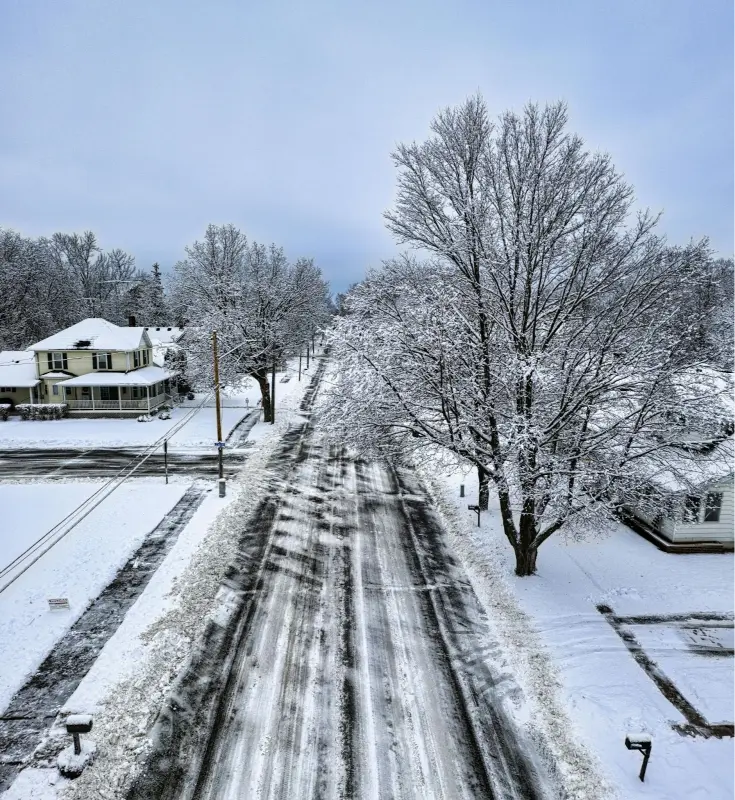
- Snow and ice can complicate site access and safety, making material handling and sequencing more difficult if not addressed promptly.
Winter conditions can also work in a project’s favor. Cold air is typically drier than spring or summer air, and snow is often easier to manage than prolonged rain. When materials are kept covered and the site is organized, winter can provide cleaner framing conditions than many homeowners expect.
Because of this, moisture control becomes the defining factor in successful winter construction. Careful monitoring, protected material storage, prompt snow removal, and early enclosure all help keep the build moving forward while preserving the quality of the structure.
What About Concrete? Can It Cure in the Cold?
Yes. Concrete can cure successfully during winter when the heat generated by the curing process is properly protected. While cold air affects surface conditions, the curing reaction itself produces warmth, and the focus during winter is on maintaining a stable environment around the pour.
In colder weather across Massachusetts, concrete work requires careful coordination before and after placement. Ground conditions need to be prepared, fresh concrete must be insulated, and the surrounding area protected long enough for the material to reach adequate strength. These measures allow curing to continue consistently, even when temperatures drop.
Extended cold snaps can still affect timing, which is why winter construction schedules account for weather-related pauses. With proper planning and oversight, concrete work completed during winter is as strong and reliable as concrete poured in warmer months.
How Can Winter Construction Save Time?
Winter often offers more flexibility across the construction process. When many homeowners wait for spring to start building, demand increases all at once, creating backlogs for permit reviews, trade scheduling, and material availability. Building during the winter avoids much of that congestion, allowing projects to move forward with fewer scheduling constraints and a clearer path through local building requirements.
More Scheduling Flexibility During Winter
With fewer projects breaking ground at the same time, winter construction often allows for more responsive scheduling. Permit reviews can move more quickly, trades may have greater availability, and certain materials are easier to source without extended lead times. This flexibility makes it easier to maintain momentum and adjust around weather without disrupting the overall schedule.
Starting Earlier on Key Phases of the Build
Beginning foundational work, framing, or interior rough phases during the winter positions a project ahead of the spring rush. When warmer weather arrives, exterior work can begin sooner while other projects are still in early stages. Starting earlier on these key phases often shortens the overall timeline and helps keep the build moving steadily from season to season.
When Does Winter Construction Work Well?
Winter construction works best when a project is planned with seasonal conditions in mind and key decisions are made before work begins. Certain site and project factors make it easier to maintain momentum through colder months.
Winter construction is often a good fit when:
- The site is accessible and can be maintained safely, allowing equipment and materials to move in and out without disruption
- The design and scope are finalized, so construction can proceed without delays tied to ongoing planning decisions
- The structure can be enclosed early, protecting materials and interior work from prolonged exposure
- The schedule benefits from avoiding peak spring demand, reducing pressure on permits, trades, and material availability
- Cold-weather procedures are already part of the construction plan, rather than treated as last-minute adjustments
Winter construction can be more challenging when:
- Design decisions are still being finalized, making it difficult to sequence work efficiently
- The project requires extensive excavation in frozen ground, which may limit early progress
Every site and project is different. An experienced local builder evaluates these conditions early and plans around them, rather than relying on assumptions about the season itself.
How Does Oak Manage Winter Construction in Massachusetts?
Oak approaches winter construction with systems built specifically for New England conditions. Rather than treating cold weather as an exception, winter planning is integrated into Oak’s approach to all projects, including new construction, from the first day on site. Projects are planned with close attention to weather patterns, site conditions, and moisture exposure at every stage of the build. Materials are protected from delivery through installation, structures are enclosed as early as possible, and temporary heat is used strategically to support drying and curing when conditions require it. This level of coordination allows work to continue without compromising materials, schedules, or long-term performance.
Years of building in Massachusetts have shaped how Oak sequences work in winter. Cold weather is not treated as an obstacle to push through, but as a condition to plan around. When winter construction projects are approached this way, the process becomes a predictable and productive part of the overall building cycle rather than a source of uncertainty.
Should You Start Your Build This Winter?
Deciding when to start a build depends less on the calendar and more on how ready the project is to move forward. When design decisions are finalized and site access can be managed safely, winter construction in Massachusetts can offer a practical path forward. Starting during colder months can help maintain momentum, reduce exposure to peak-season congestion, and keep long-term schedules from being pushed back by spring demand.
That said, not every phase of every project is well suited to winter conditions. Extensive excavation, exterior finishes that require sustained warm temperatures, or sites with limited winter access may benefit from a more phased schedule. In those cases, planning work strategically allows portions of the project to advance while other phases are timed for more favorable conditions.
Ultimately, the right timing depends on the specifics of your home, the site, and the overall schedule. Evaluating those factors with a professional early on helps shape a plan that maintains quality and keeps the project moving, regardless of season.
Planning a Build and Unsure if Winter Is Right for You?
If you’re planning a build and weighing whether winter construction in Massachusetts makes sense, a clear assessment early on can make a meaningful difference. Oak works with homeowners to evaluate site conditions, design readiness, and project sequencing so seasonal factors are accounted for from the start. That kind of planning helps set realistic expectations, reduce avoidable delays, and create a construction schedule that supports quality and momentum, regardless of when work begins.
If you’re planning a build and want to understand how winter construction in Massachusetts fits into your timeline, Oak can help you evaluate your project, including site conditions, project readiness, and seasonal considerations.